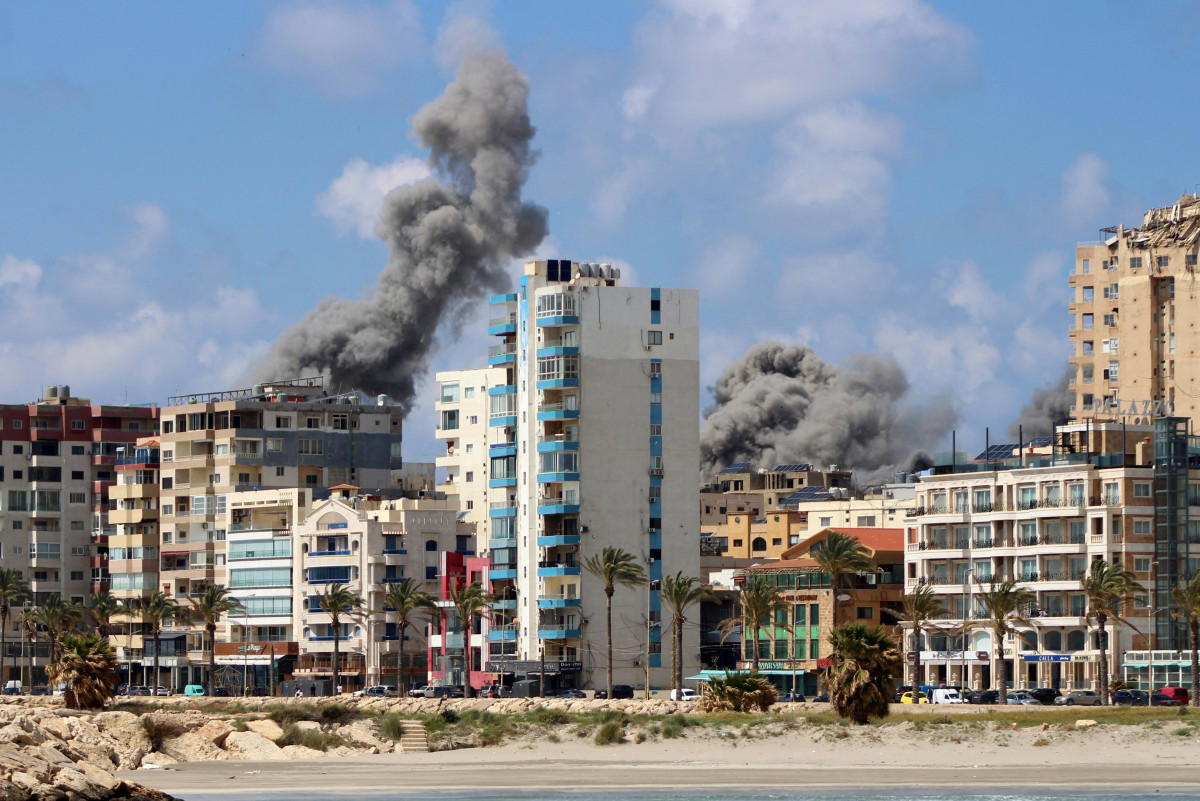

According to reports, the Israeli military intensified its campaign following a brief lull, striking multiple locations that they claim are strategic command centers and weapon storage facilities. However, the sheer scale and frequency of the explosions have raised urgent concerns regarding civilian casualties and the displacement of thousands more residents from the urban center.
"The earth didn't stop shaking for hours," one resident reported. "These are not like the previous strikes; the intensity and the sound are much more terrifying." Emergency services and first responders have been working through the night to reach survivors trapped under the rubble of collapsed buildings, though the continuous nature of the strikes has hampered rescue efforts in the most affected neighborhoods.
The international community has reacted with alarm to the escalation. Diplomatic sources suggest that these strikes represent a significant shift in the conflict’s trajectory, potentially complicating ongoing mediation efforts led by regional powers. As the humanitarian crisis in Lebanon deepens, the United Nations has issued an urgent plea for the protection of civilians and a de-escalation of violence to allow for the delivery of life-saving aid.
Summary
Lebanon's capital has been rocked by an unprecedented wave of aerial bombardments, as Israeli forces launch their most intense strikes on Beirut since the current conflict began. Beirut was hit by a series of devastating airstrikes on Wednesday, April 8, 2026, in what local officials and residents described as the most violent bombardment since the outbreak of hostilities....
Key Takeaways
- Lebanon's capital has been rocked by an unprecedented wave of aerial bombardments, as Israeli forces launch their most intense strikes on Beirut since the current conflict began.
- Beirut was hit by a series of devastating airstrikes on Wednesday, April 8, 2026, in what local officials and residents described as the most violent bombardment since the outbreak of hostilities.
- The strikes targeted several districts within the city, leading to massive plumes of smoke rising over the skyline and causing widespread destruction to infrastructure.According to reports, the Israeli military intensified its campaign following a brief lull, striking multiple locations that they claim are strategic command centers and weapon storage facilities.
Article FAQ
What is this story about?
Lebanon's capital has been rocked by an unprecedented wave of aerial bombardments, as Israeli forces launch their most intense strikes on Beirut since the current conflict began. Beirut was hit by a series of devastating airstrikes on Wednesday, April 8, 2026, in what local officials and residents described as the most violent bombardment since the outbreak of hostilities....
Who published this story?
Glow 99.1 FM published this story with Oyebade Oluwatobiloba listed as author.
When was it published?
April 8, 2026
How do you feel about this article?
Share this story

Oyebade Oluwatobiloba
Admin
Dedicated to bringing you the latest news and stories from Glow Media.
Comments (0)
Be the first to comment on this article!