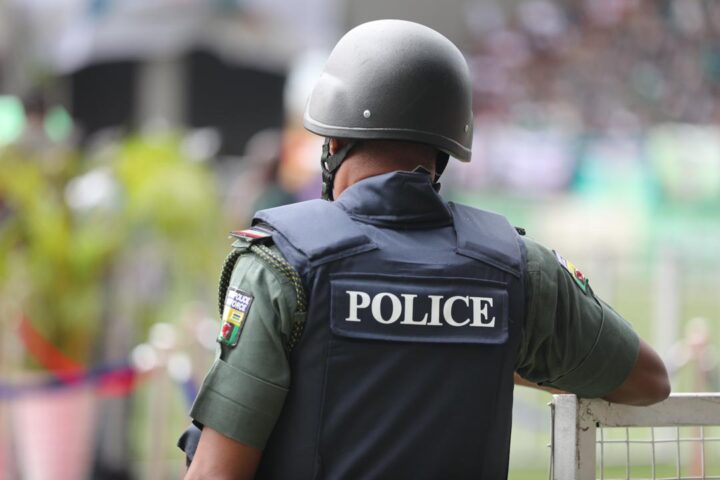

Delivering the judgement in suit No. FHC/WR/CS/87/2025, Justice H. A. Nganjiwa held that police officers must wear visible name tags, display their force numbers, and refrain from harassing, intimidating, arresting, or confiscating devices from citizens recording their activities.
The court awarded the applicant, Maxwell Uwaifo, N5 million in damages for the violation of his fundamental rights, along with an additional N2 million as cost of litigation.
All the reliefs sought by the applicant were granted, reinforcing the right of citizens to document police conduct in public spaces without fear of harassment or reprisal.
Reacting to the judgement, Uwaifo described it as far-reaching, noting that it has significant implications for policing standards, civil liberties, and public accountability in Nigeria.
The suit, filed as a public interest litigation, challenged the legality of police stop-and-search operations carried out without officers displaying proper identification.
Respondents in the case included the Nigeria Police Force, the Police Service Commission, the Inspector-General of Police, and the Attorney-General of the Federation.
The action was brought under the Fundamental Rights (Enforcement Procedure) Rules, 2009, citing provisions of the 1999 Constitution and the African Charter on Human and Peoples’ Rights.
The court was asked to determine whether citizens can lawfully record police officers and whether harassment or arrest for such actions amounts to a violation of fundamental rights.
The ruling affirms that citizens have the right to document public officials performing their duties, particularly in public spaces, as part of constitutional guarantees on freedom of expression and accountability.
Tags
Summary
A Federal High Court has ruled that Nigerians can legally record police officers on duty, affirming it as a constitutional right tied to accountability and free expression. The Federal High Court sitting in Warri, Delta State, has ruled that Nigerians have the constitutional right to record police officers while performing their duties in public.Delivering the judgement in suit...
Key Takeaways
- A Federal High Court has ruled that Nigerians can legally record police officers on duty, affirming it as a constitutional right tied to accountability and free expression.
- The Federal High Court sitting in Warri, Delta State, has ruled that Nigerians have the constitutional right to record police officers while performing their duties in public.Delivering the judgement in suit No.
- FHC/WR/CS/87/2025, Justice H.
Article FAQ
What is this story about?
A Federal High Court has ruled that Nigerians can legally record police officers on duty, affirming it as a constitutional right tied to accountability and free expression. The Federal High Court sitting in Warri, Delta State, has ruled that Nigerians have the constitutional right to record police officers while performing their duties in public.Delivering the judgement in suit...
Who published this story?
Glow 99.1 FM published this story with Oyebade Oluwatobiloba listed as author.
When was it published?
March 18, 2026
How do you feel about this article?
Share this story

Oyebade Oluwatobiloba
Admin
Dedicated to bringing you the latest news and stories from Glow Media.
Comments (0)
Be the first to comment on this article!