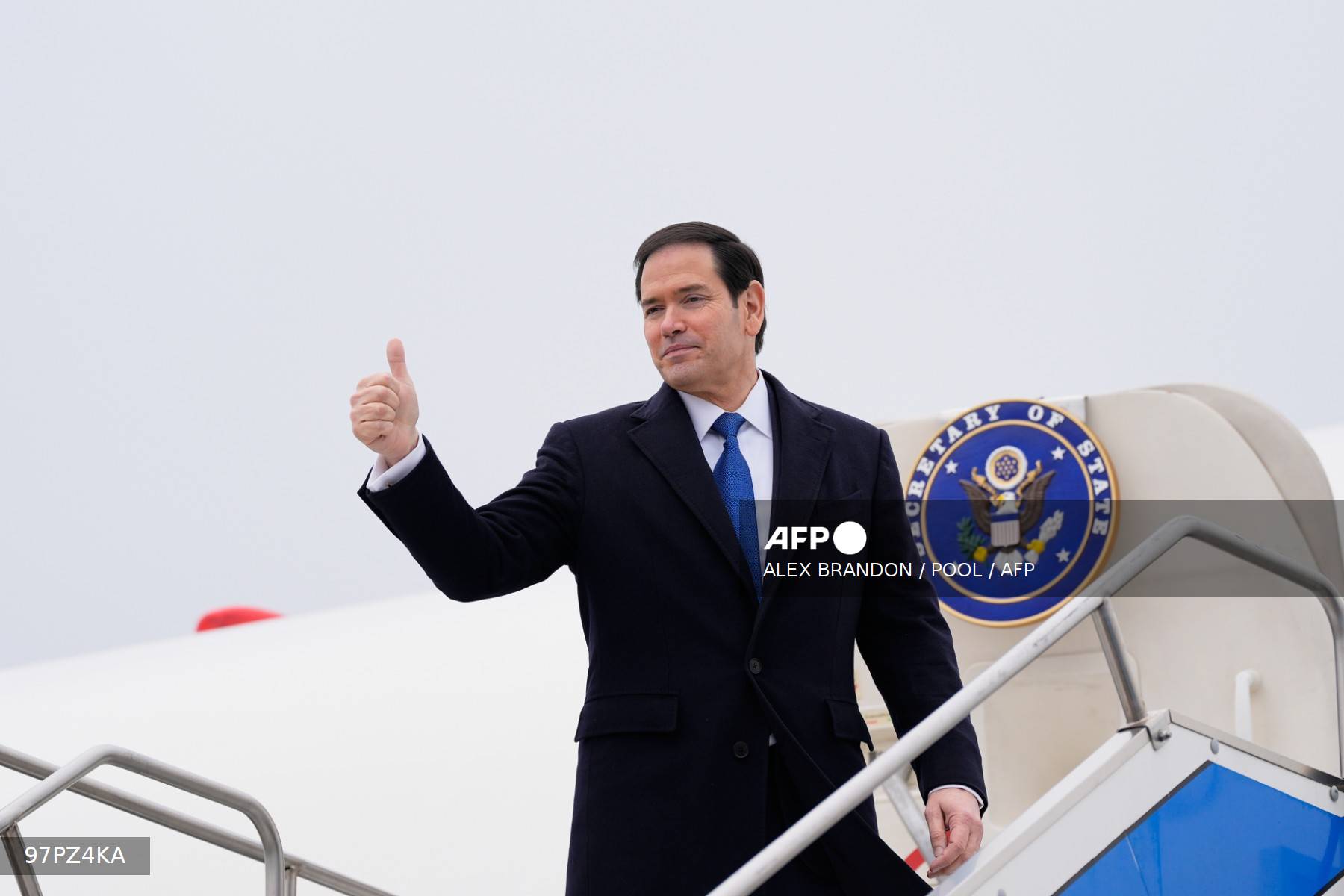

The Senator, a prominent voice on the Senate Foreign Relations Committee, pointed out that several European nations continue to fall short of the agreed-upon target of spending 2% of their GDP on defense. According to Rubio, the U.S. can no longer be expected to provide the lion's share of security resources while other member states fail to meet their obligations. "We value our partners, but a partnership requires all parties to pull their weight," Rubio stated, adding that the U.S. strategic focus must balance European security with emerging challenges in the Indo-Pacific region.
Rubio’s remarks come at a sensitive time for international relations, as conflicts in Eastern Europe and rising tensions globally have put NATO’s readiness in the spotlight. While some analysts view his comments as a push for much-needed reform, others fear that such rhetoric could signal a shift toward isolationism that might embolden adversaries. The Senator clarified that he is not calling for an immediate withdrawal but is advocating for a "strategic recalibration" that reflects the geopolitical realities of 2026. The White House has yet to issue an official response, though the statement has already caused ripples in diplomatic circles across Europe.
Summary
U.S. Senator Marco Rubio has stated that the United States must reexamine its relationship with NATO, emphasizing that European allies must take greater responsibility for their own collective defense. The comments have sparked fresh debates over the future of the transatlantic alliance. U.S. Senator Marco Rubio has reignited discussions regarding the United States' long-standing commitment to the North...
Key Takeaways
- Senator Marco Rubio has stated that the United States must reexamine its relationship with NATO, emphasizing that European allies must take greater responsibility for their own collective defense.
- The comments have sparked fresh debates over the future of the transatlantic alliance.
- Senator Marco Rubio has reignited discussions regarding the United States' long-standing commitment to the North Atlantic Treaty Organization (NATO), suggesting that the time has come for a formal reexamination of the alliance.
Article FAQ
What is this story about?
U.S. Senator Marco Rubio has stated that the United States must reexamine its relationship with NATO, emphasizing that European allies must take greater responsibility for their own collective defense. The comments have sparked fresh debates over the future of the transatlantic alliance. U.S. Senator Marco Rubio has reignited discussions regarding the United States' long-standing commitment to the North...
Who published this story?
Glow 99.1 FM published this story with Oyebade Oluwatobiloba listed as author.
When was it published?
April 1, 2026
How do you feel about this article?
Share this story

Oyebade Oluwatobiloba
Admin
Dedicated to bringing you the latest news and stories from Glow Media.
Comments (0)
Be the first to comment on this article!