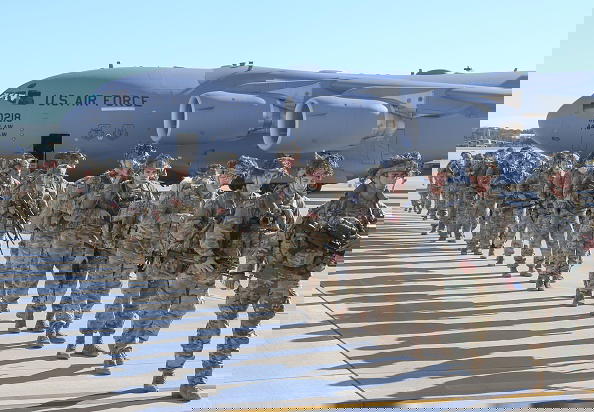

If approved, the deployment would focus primarily on defensive measures, including the installation of additional Patriot missile batteries, manned reconnaissance aircraft, and other naval assets. Officials have stressed that the buildup is intended to deter potential aggression rather than initiate a conflict. However, the proposal highlights the volatile nature of current geopolitical dynamics in the Middle East and the U.S. government's commitment to maintaining a robust military presence.
Critics of the move argue that increasing troop numbers could inadvertently lead to further escalation, while supporters maintain that a show of strength is necessary to ensure regional stability. The final decision rests with the President, who is expected to receive a formal briefing on the logistics and strategic implications of the deployment in the coming days. For now, the international community remains on high alert as the U.S. navigates its complex security obligations in the region.
Tags
Summary
The United States government is reportedly considering the deployment of up to 10,000 additional troops to the Middle East. This potential move comes amid escalating tensions in the region and is aimed at bolstering defensive capabilities and protecting American interests against growing threats. The United States Department of Defense is weighing a proposal to send as many as...
Key Takeaways
- The United States government is reportedly considering the deployment of up to 10,000 additional troops to the Middle East.
- This potential move comes amid escalating tensions in the region and is aimed at bolstering defensive capabilities and protecting American interests against growing threats.
- The United States Department of Defense is weighing a proposal to send as many as 10,000 additional troops to the Middle East, according to multiple reports from Washington.
Article FAQ
What is this story about?
The United States government is reportedly considering the deployment of up to 10,000 additional troops to the Middle East. This potential move comes amid escalating tensions in the region and is aimed at bolstering defensive capabilities and protecting American interests against growing threats. The United States Department of Defense is weighing a proposal to send as many as...
Who published this story?
Glow 99.1 FM published this story with Oyebade Oluwatobiloba listed as author.
When was it published?
March 27, 2026
How do you feel about this article?
Share this story

Oyebade Oluwatobiloba
Admin
Dedicated to bringing you the latest news and stories from Glow Media.
Comments (0)
Be the first to comment on this article!