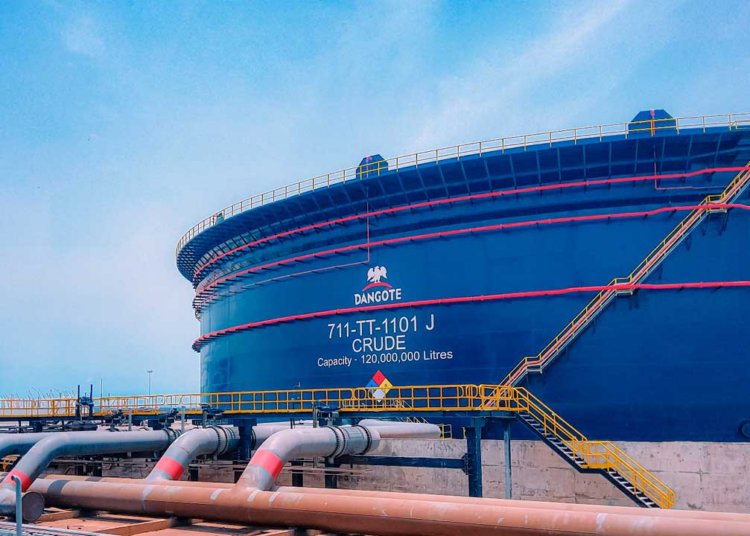

Figures from the Nigerian Midstream and Downstream Petroleum Regulatory Authority (NMDPRA) show that Nigeria recorded an average daily petrol supply of about 39.5 million litres in February 2026, with domestic refineries contributing roughly 36.5 million litres, most of which came from the Dangote Refinery.
Petrol imports dropped drastically to about three million litres per day, representing roughly eight per cent of supply, compared with more than 24 million litres per day in January, when imports accounted for over a third of the country’s petrol supply.
Regulators explained that the Petroleum Industry Act (PIA) allows the importation of refined petroleum products only when local production is insufficient to meet domestic demand. Since current production is deemed adequate, import permits have not been issued in recent months.
The shift marks a major milestone for Nigeria’s energy sector, as the 650,000-barrels-per-day Dangote Refinery continues to ramp up production and reduce the country’s long-standing dependence on imported fuel.
However, some industry stakeholders have raised concerns about the possibility of market dominance in the downstream petroleum sector, warning that excessive reliance on a single refinery could create pricing and competition challenges in the future.
Despite these concerns, analysts say the development could reduce pressure on Nigeria’s foreign exchange reserves, improve energy security, and strengthen domestic refining capacity.
Tags
Summary
Nigeria’s petrol importation has dropped sharply as the Dangote Refinery now supplies about 92% of the country’s fuel demand, prompting the Federal Government to halt the issuance of import licences. Nigeria’s dependence on imported petrol has significantly declined as the Dangote Petroleum Refinery now accounts for approximately 92 per cent of the country’s daily petrol supply, according to...
Key Takeaways
- Nigeria’s petrol importation has dropped sharply as the Dangote Refinery now supplies about 92% of the country’s fuel demand, prompting the Federal Government to halt the issuance of import licences.
- Nigeria’s dependence on imported petrol has significantly declined as the Dangote Petroleum Refinery now accounts for approximately 92 per cent of the country’s daily petrol supply, according to industry data.
- The development follows the Federal Government’s decision to pause the issuance of licences for petrol imports, as domestic refining capacity has increased enough to meet national demand.
Article FAQ
What is this story about?
Nigeria’s petrol importation has dropped sharply as the Dangote Refinery now supplies about 92% of the country’s fuel demand, prompting the Federal Government to halt the issuance of import licences. Nigeria’s dependence on imported petrol has significantly declined as the Dangote Petroleum Refinery now accounts for approximately 92 per cent of the country’s daily petrol supply, according to...
Who published this story?
Glow 99.1 FM published this story with Oyetoke Adedayo Ebenezer listed as author.
When was it published?
March 11, 2026
How do you feel about this article?
Share this story

Oyetoke Adedayo Ebenezer
Admin
Dedicated to bringing you the latest news and stories from Glow Media.
Comments (0)
Be the first to comment on this article!